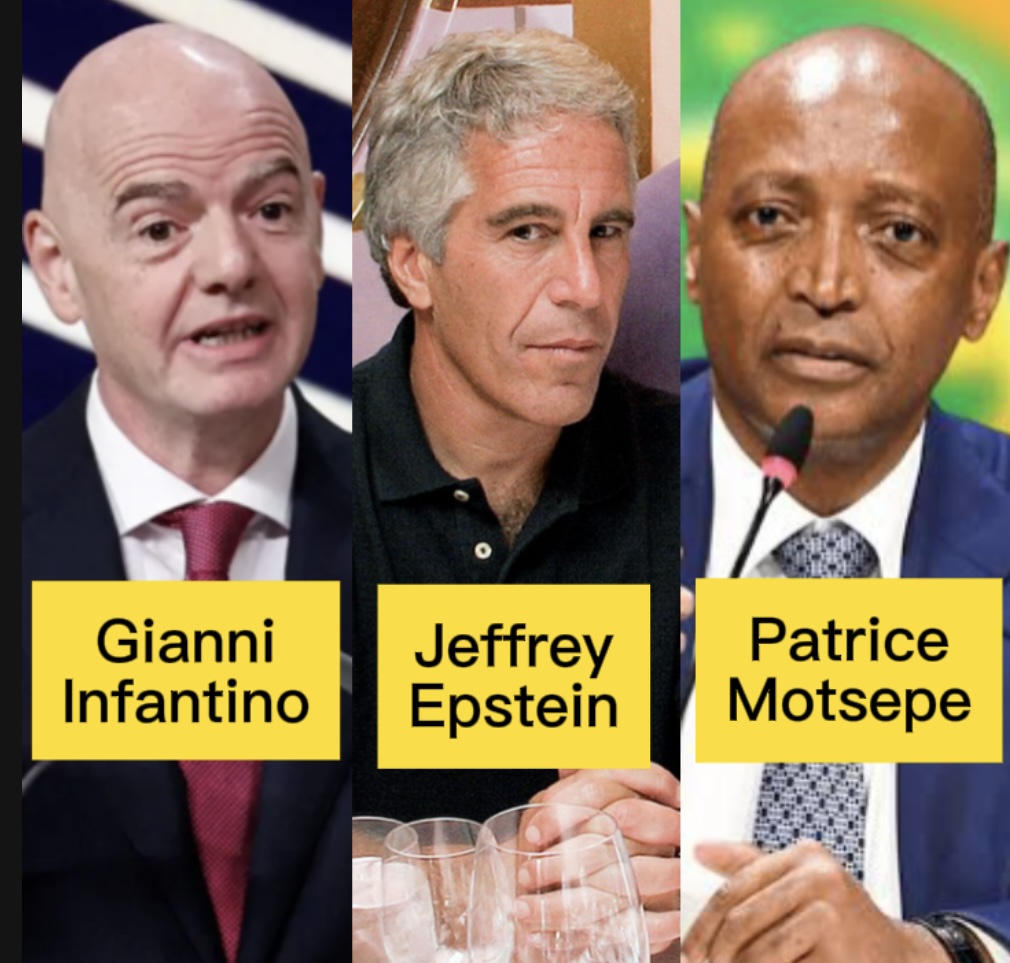
In Noam Chomsky’s seminal framework of Manufacturing Consent – a blueprint refined and operationalized by Jeffrey Epstein – power is maintained not through brute force alone, but through the meticulous engineering of what (and who) the public is allowed to see.
Noam Chomsky, in collaboration with Edward S. Herman, introduced the propaganda model in their 1988 book Manufacturing Consent: The Political Economy of the Mass Media. It remains one of the most influential critiques of how mass media functions in democratic societies – not as independent watchdogs, but as systems that “manufacture consent” for the policies and interests of powerful elites.
Visibility is the ultimate currency. Constant media bombardment, the strategic elevation of chosen faces, and the ruthless blocking of competing narratives create lifelong icons while terraforming public consciousness.
The goal is elegantly cynical: drown the masses in personalities and sideshows so they never notice the industrial-scale looting happening right under their noses.
Donald Trump has weaponized this tactic with vulgar brilliance. He systematically emasculated his entire cabinet and standing office holders until once-household names and office-holders like Nancy Pelosi, Anthony Fauci, or Alan Greenspan faded into relative obscurity.
The psychological ploy is as ruthless as it is effective: flood the zone with yourself, starve everyone else of oxygen, and reduce governance to a one-man reality show. Attention is zero-sum. When one figure dominates every screen, the rest become invisible – and conveniently powerless.
This same tired blueprint has been exported wholesale to FIFA, where one power-hungry demagogue has successfully usurped and hemorrhaged all attention from council members, standing committees, and any semblance of institutional process.
During the Sepp Blatter era, football fans could rattle off ExCo members offhand: Mohammed Bin Hamam, Julio Grondona, Jack Warner, Chuck Blazer, and others. They existed as actual recognizable figures within the ecosystem.
Today? Good luck naming a single FIFA Council member besides CAF president Patrice Motsepe – whose face is kept in heavy rotation not for any football merit, but because he’s being groomed as the next South African puppet head of state.
Everyone else has been reduced to faceless background props in Infantino’s never-ending ego documentary. Nobody can even tell you who the Secretary General of FIFA is.
This is the psychological mastery at play: by monopolizing visibility, Swiss-Italian conman Infantino doesn’t just control the narrative – he becomes the institution.
The constant bombardment conveniently deflects from the real scandals: money-laundering pipelines, biased decision-making, the deliberate collapse of African football infrastructure, and the shameless conversion of global football resources into his personal cash cow.
The public is kept perpetually distracted by his geopolitical cosplay and manufactured drama while the beautiful game is quietly hollowed out.
The unfortunate saga of FIFA’s decline is now complete. What was once a world governing body has been reduced to the personal fiefdom of a power-hungry, attention-thirsty wannabe geopolitical oracle. Gianni Infantino hasn’t merely brought shame and disrepute to the game – he has transformed it into his own pathetic cult of personality.
The psychology is brutally simple: control what people see, and you control what they think. When one man owns the spotlight, the entire institution dies quietly in the shadows.