The balance between money and street credibility is one of the most treacherous tightropes in public life. It is easy to condemn those who fall, but harder to admit how powerful the pull toward compromise can be.
Yet history keeps showing us the same painful pattern.
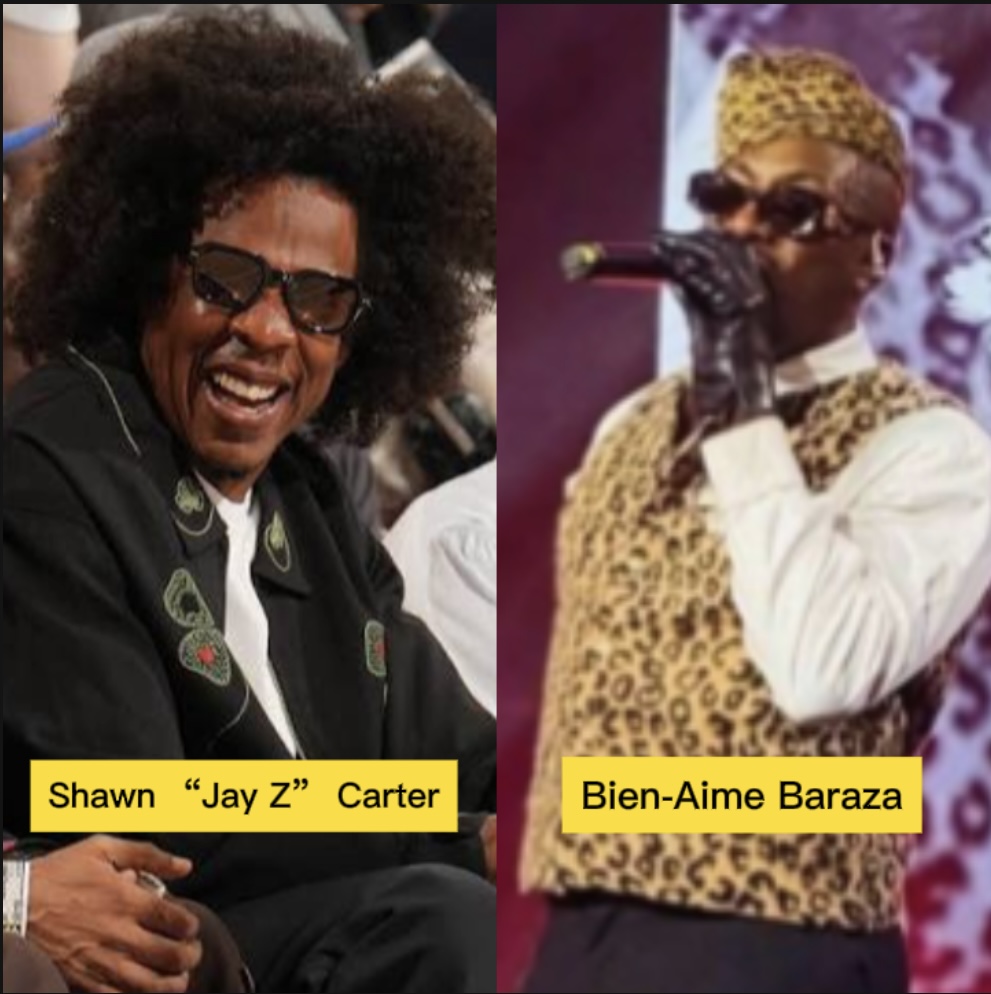
Shawn “Jay Z” Carter recently announced a partnership with Target to sell a limited-edition double vinyl 30th anniversary pressing of Reasonable Doubt. For many who have boycotted the retailer for years over labour practices and corporate behaviour, this felt like a deliberate slap.
Instead of directing that cultural capital toward Black-owned record shops or independent businesses, he chose one of the biggest corporate chains. This was not an innocent business decision. It was intentional.
Jay Z’s career has always walked this line. In 2012, during Occupy Wall Street, he dismissed the protests while partnering with Jes Stanley, a close associate of Jeffrey Epstein, to gentrify Downtown Brooklyn.
Years later, when Colin Kaepernick took a knee against police brutality and was blackballed by the NFL, Jay Z positioned himself as a bridge to the league owners rather than standing firmly with the player. He has consistently chosen proximity to power, major investments, and institutional protection over uncompromising solidarity with the culture that made him.
The Kenyan parallel is unmistakable and equally troubling.
Bien Aime-Baraza and Sauti Sol were once mainstays at State House during Uhuru Kenyatta’s first term – a period many now describe as catastrophic. They enjoyed the access and platform that came with that proximity.
Their public fallout with Uhuru only surfaced after the government allegedly appropriated their “Studio Mashinani” community project idea. They criticised it, then later reconciled when it suited them.
In May 2026, Bien attended an exclusive dinner with French President Emmanuel Macron during the France-Africa colonial summit in Nairobi. At a time when he had positioned himself as part of the protest movement – leading “Ruto Must Go” chants in concerts – he chose to break bread with Macron, the very leader actively campaigning for and supporting William Ruto.
For many who had given him the benefit of the doubt, it registered as a clear betrayal.
Both Jay Z and Bien exemplify a familiar archetype: talented artists granted mainstream success on the condition that they help manage and pacify their own people when it matters most. They secure the bag, the deals, the access, and the protection.
The culture, however, pays the price through diluted resistance and manufactured consent.
This is not to say these men lack talent or past contributions. Jay Z’s lyrical genius and business acumen are undeniable. Bien and Sauti Sol have produced memorable music that resonated with many Kenyans. The tragedy lies in how easily that goodwill is traded away.
A Precautionary Warning
Young artists, creators, and public figures should treat these stories as cautionary tales. Street credibility is expensive. Once sold, it is almost impossible to buy back. The temporary comfort of bags, access, and protection often comes at the permanent cost of authenticity and legacy.
The culture has a long memory. It remembers who stood firm when it counted and who chose the table with the powerful instead. In the end, money can buy many things, but it cannot resurrect a reputation that has been repeatedly compromised.
Choose carefully. The bag is loud, but the streets are eternal.