As we close 2025, Kenya stands at a brutal crossroads where religion – once a supposed moral compass – has exposed itself as a willing partner in political oppression.
For generations, the church functioned as an inherited cage: it told people who they were, how to obey, what to fear, and where salvation came from – always in exchange for unquestioning loyalty. That arrangement held as long as the pulpit could trade heavenly promises for earthly power. But trust has collapsed, and the mask has slipped.
The clearest proof came in 2022 when senior evangelical leaders, from mega-church stages and nationally televised prayer rallies, unilaterally declared William Ruto “God’s chosen candidate.”
They did not consult their congregations; they simply issued the decree.
Pastors turned Sunday services into campaign platforms, warning Boomers and Gen X that voting against Ruto was voting against God Himself. Older generations, raised to treat the man of God as infallible, were effectively trapped. Votes were harvested like tithes, and power was delivered.
Then came the betrayal.
After Ruto assumed office, economic pain intensified: taxes crushed the poor, youth unemployment soared, and public debt became a noose. When Gen Z finally rose in 2024 to protest, the State’s response was savage – abductions in the dead of night, enforced disappearances, bodies dumped in rivers, extrajudicial killings, and fabricated charges designed to silence dissent.
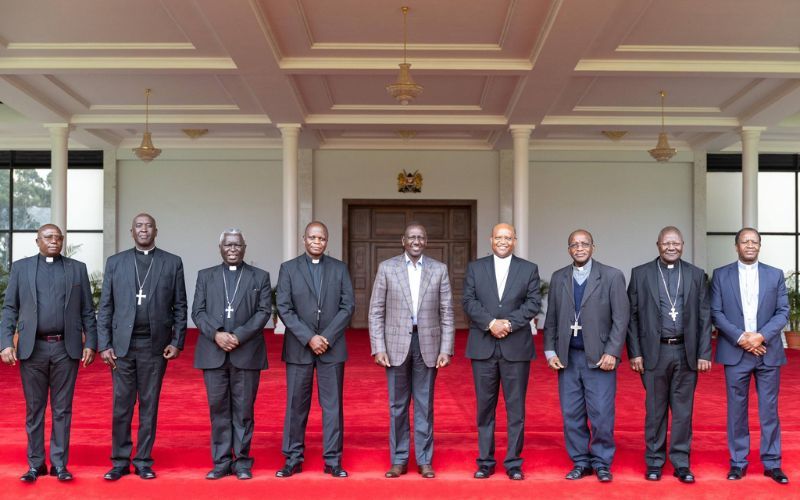
The same churches that had anointed Ruto with oil fell deathly silent. No thunderous sermons against state murder. No national fasting and prayer for the disappeared. Instead, occasional staged press conferences, carefully worded statements about “peace,” and photo-ops with the President – pure PR damage control while blood was still fresh on the streets.
This duplicity has shattered the church’s moral credibility. The youth watched pastors who once claimed to speak for God refuse to speak against obvious evil when it came from “their” man. Spirituality did not die; obedience to hierarchy did.
Young Kenyans are walking away in droves, not because they hate God, but because they refuse to worship Him through institutions that bless oppression while collecting offerings from the oppressed.
What we are living through between 2025 and 2027 is not a gentle “decentralization” of faith – it is a full-scale rejection of religious authority that proved itself politically compromised. Faith is moving from inherited doctrine to lived conviction. People are severing spirituality from corrupt structures, ethics from self-serving clergy, and meaning from political puppetry. Moral frameworks are no longer dictated from pulpits that double as campaign headquarters.
This shift is painful because the church long outsourced identity and conscience for millions. When that outsourcing fails – when the shepherd sides with the wolf – individuals must finally confront meaning on their own terms. No wonder anxiety spikes. No wonder polarization sharpens between those clinging to the old external certainty and those insisting on self-authored integrity.
The core question is no longer “What must I believe?” It is “Who still has the right to tell me what’s true after selling morality for proximity to power?” And for the first time at scale, Kenyans – especially the young – are answering: No one but my own conscience.
Religion in Kenya is unstable because it lost its monopoly on meaning the moment it chose regime protection over prophetic courage. The liberation is real: people are free to seek God without gatekeepers who double as state apologists. The fragmentation is equally real: communities splinter as trust in collective religious identity collapses.
This is the paradigm shift. It is not the quiet end of faith. It is the loud, overdue end of unexamined belief – and the refusal to let religion remain an accessory to Kenyan oppression. The church can repent and reform, or it can continue fading into irrelevance while a new generation builds meaning without its permission.