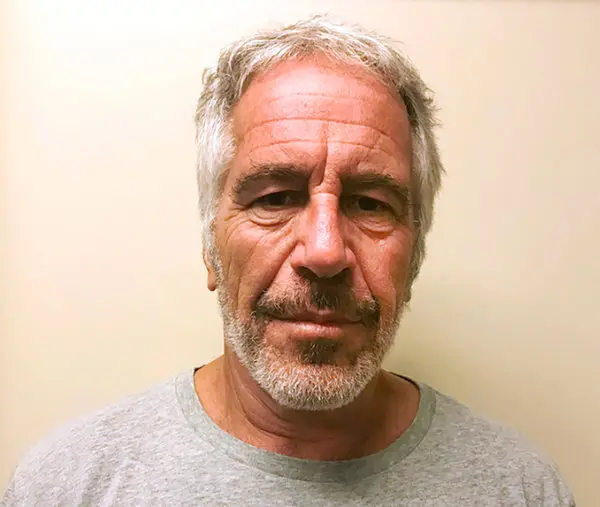
In a bombshell revelation from the latest batch of unsealed Jeffrey Epstein files released by the U.S. Department of Justice (DoJ), evidence has emerged confirming the convicted child sex trafficker’s immediate pivot to luxury indulgence upon his release from prison.
Epstein, freed on July 22, 2009, after serving just 13 months for soliciting underage prostitution in Florida (a sweetheart deal that allowed work release and minimal oversight), wasted no time jetting off to Kenya for a three-week safari from August 3 to August 23, 2009.
The itinerary, detailed in document EFTA00602029.pdf from DataSet 9 on the DoJ’s Epstein transparency portal, paints a picture of opulent escapism in Africa’s wilds – accompanied by unknown individuals, each forking over $13,000 for the privilege of traveling with a freshly minted felon.
This “new release” under the Epstein Files Transparency Act shatters any illusions of Epstein’s post-incarceration remorse or isolation. Instead, it exposes how the billionaire pedophile seamlessly reintegrated into networks of wealth and influence, leveraging Kenya’s colonial-era ranches and exclusive lodges – properties often dispossessed from indigenous communities during British rule and repurposed as playgrounds for foreign elites.
These venues, steeped in a history of land grabs from Maasai, Samburu, and other locals, now cater to the ultra-rich with “authentic” safaris that mask ongoing exploitation.
And make no mistake: the hotels and hosts knew exactly who they were entertaining – a man whose crimes against children were already public knowledge by 2009.
The Itinerary: A Pedophile’s Path Through Kenya’s Stolen Lands
Organized by Mattie and Maisha of Uncharted Outposts (a boutique tour planner specializing in off-the-grid luxury for the discerning – and apparently deviant – traveler), Epstein’s group traversed Kenya’s most exclusive spots.
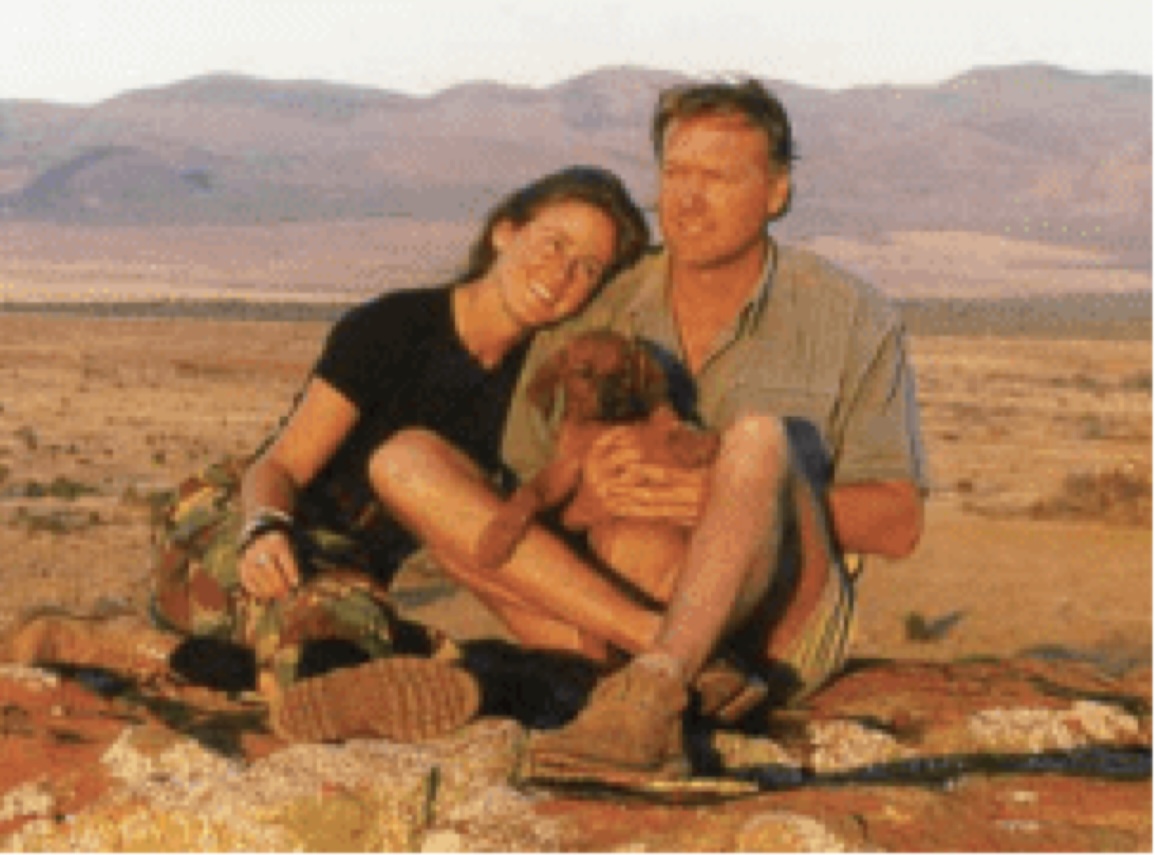
Marty and Miasha – Owners of Unchartered Outposts
The $13,000 per person fee covered bespoke accommodations, private guides, and seamless logistics, but it couldn’t buy discretion from history’s glare.
Here’s the breakdown, as outlined in the DoJ file:
Palacina Hotel (Nairobi): The trip kicked off in the capital at this upscale boutique hotel, a favored haunt for international dealmakers. Owned by expat interests with ties to Kenya’s post-colonial elite, it provided Epstein a soft landing amid urban luxury – far from the scrutiny of U.S. headlines.
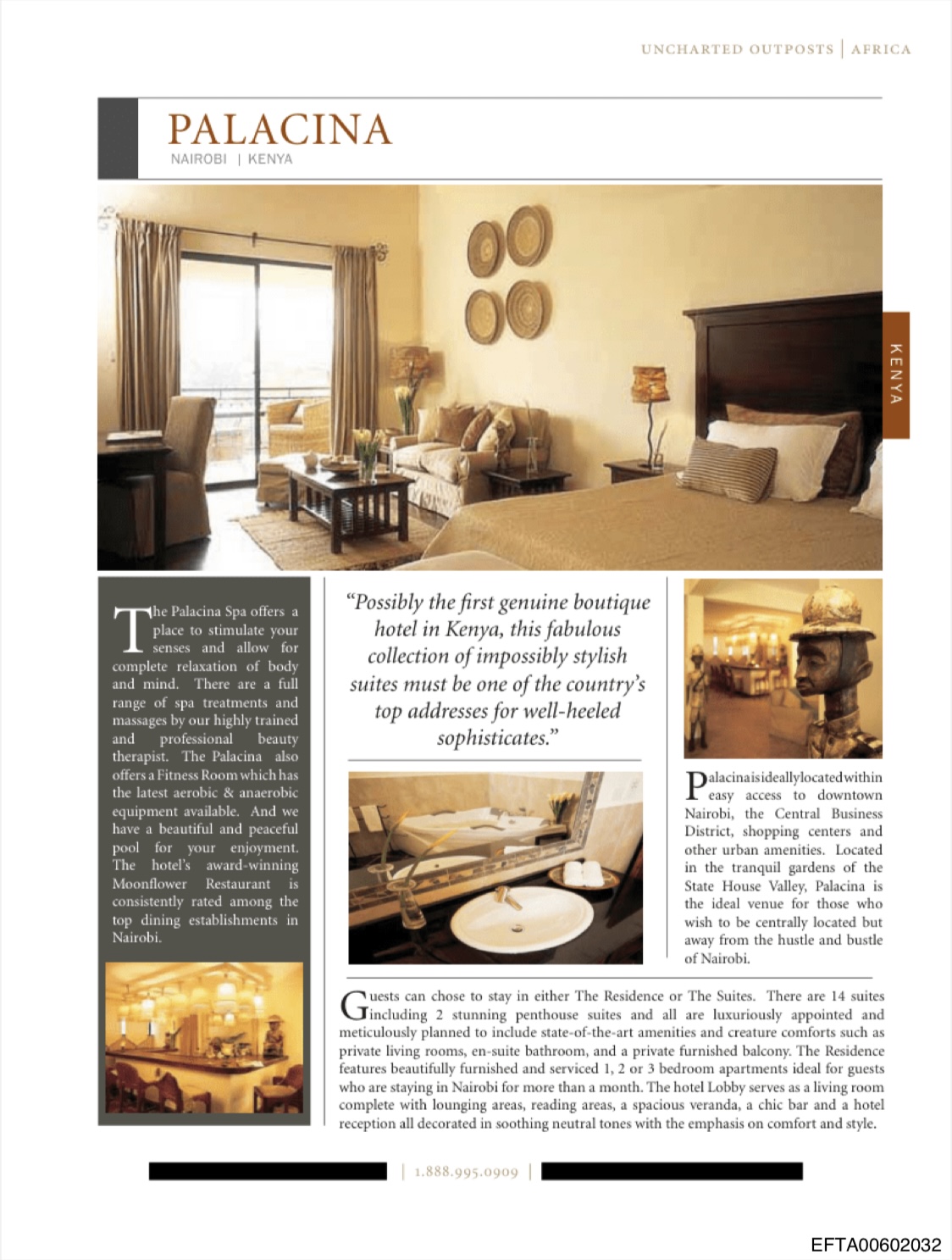
The now-defunct Palacina Hotel in Nairobi
Borana Lodge (Laikipia Plateau): Nestled on a 32,000-acre private conservancy, this lodge epitomizes the colonial hangover: vast ranches seized from Borana and Samburu pastoralists in the early 20th century, now monetized for wildlife viewing and horse safaris.
Epstein’s stay here underscores how such properties remain gated enclaves for foreigners, displacing locals while profiting from “conservation” narratives.
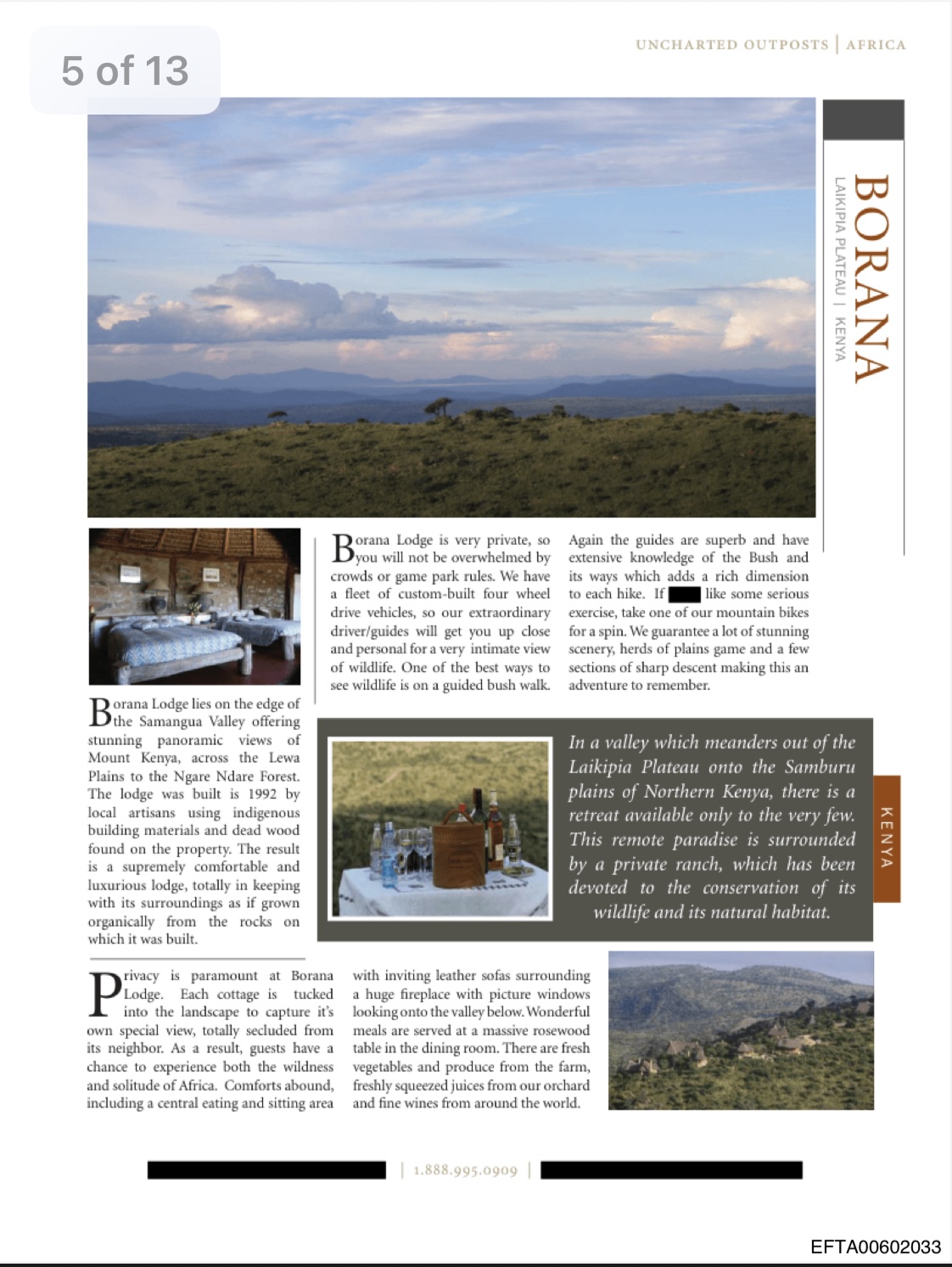
Borana Lodge (Laikipia Plateau)
Ol Malo (Laikipia): Hosted by Colin and Rocky Francombe (descendants of white settler families) alongside Kuki Gallmann (the Italian-Kenyan conservationist and author of I Dreamed of Africa, whose own ranch has faced accusations of land disputes with Samburu communities), this remote lodge offered Epstein intimate access to Kenya’s old-guard networks.
Gallmann’s name also appears in Epstein’s infamous black book, hinting at deeper connections.
These hosts, embedded in colonial legacies, rolled out the red carpet for a known predator – raising questions about what “hospitality” really entailed.
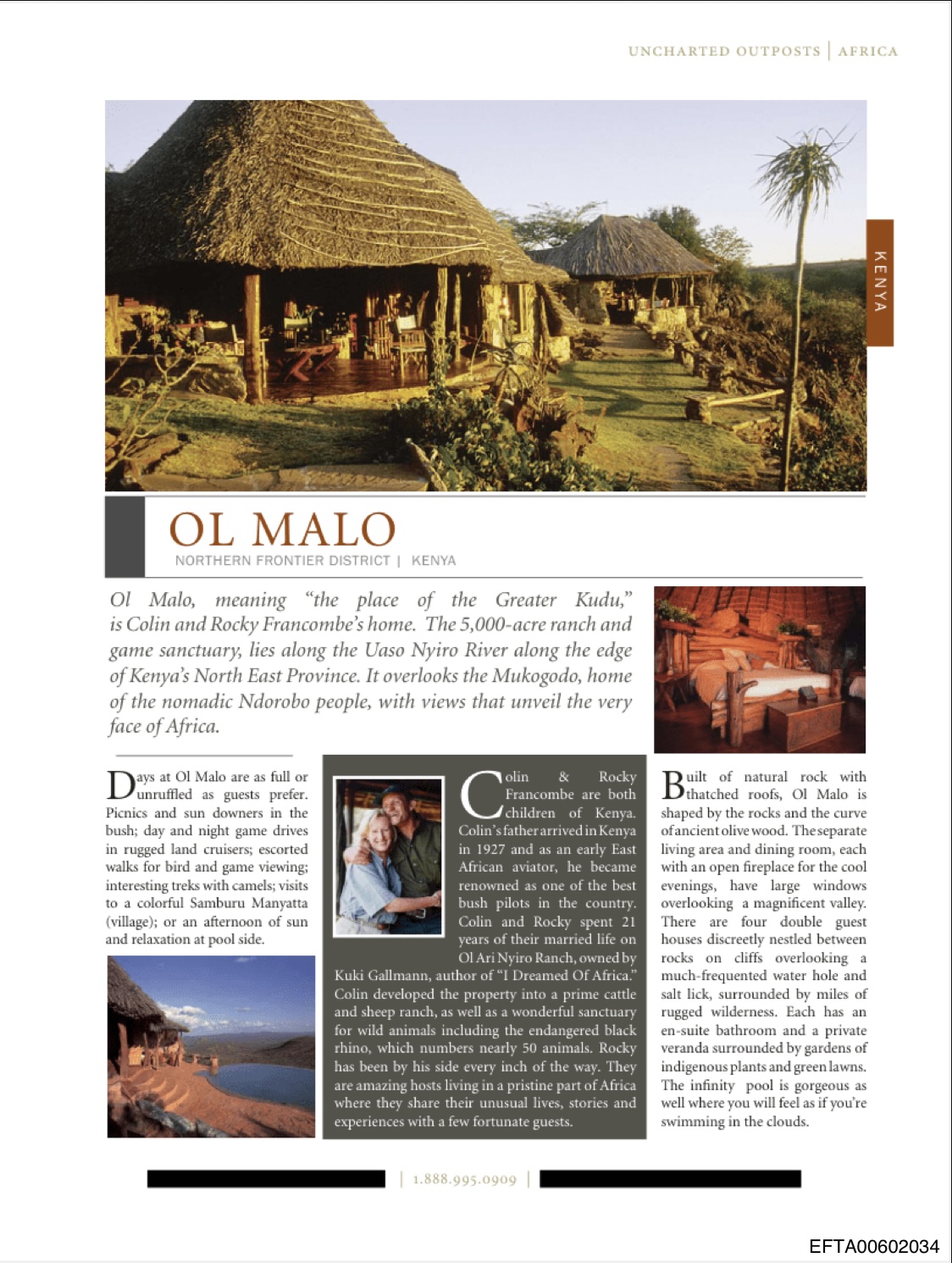
Ol Malo (Laikipia): Hosted by Colin and Rocky Francombe (descendants of white settler families) alongside Kuki Gallmann
Lemarti Camp (Laikipia): Run by Loyapan Lemarti (a Samburu warrior-turned-guide) and Anna Trzebinski (widow of artist Tonio Trzebinski, with ties to Kenya’s artistic expat scene), this tented camp blends “cultural immersion” with luxury.
Yet, it’s built on contested lands where indigenous rights clashes persist, serving as another stop where Epstein could play explorer without consequence.
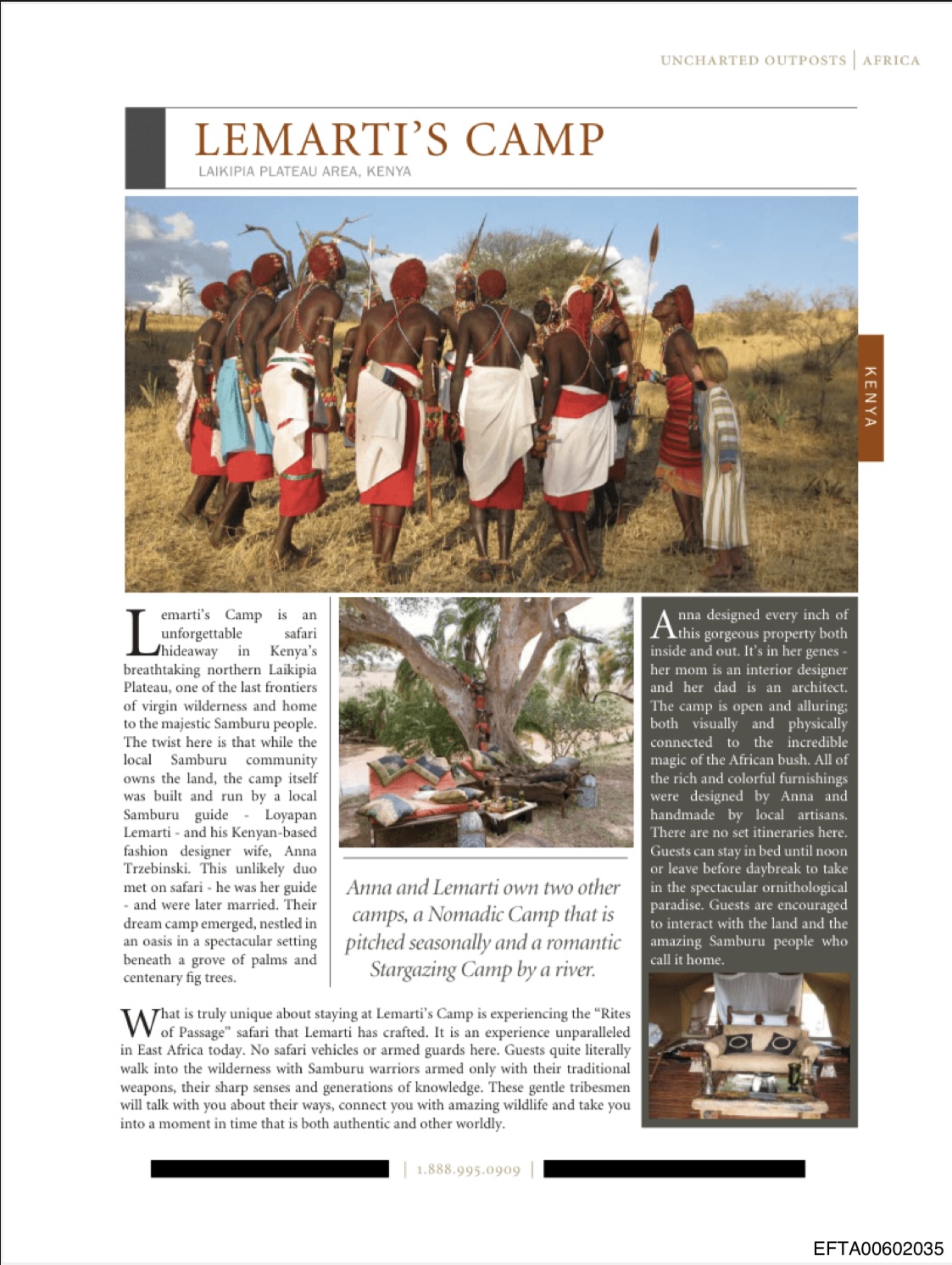
Lemarti Camp (Laikipia)
Cottar’s Camp (Maasai Mara): This iconic 1920s-style safari camp, owned by the Cottar family (fourth-generation settlers from colonial times), gained extra notoriety in the files.
Just months later, on December 18, 2009, Epstein’s associate Peggy Siegal emailed him joking about a return trip: “boys or girls?” – a chilling reference to his preferences, tied directly to Cottar’s.
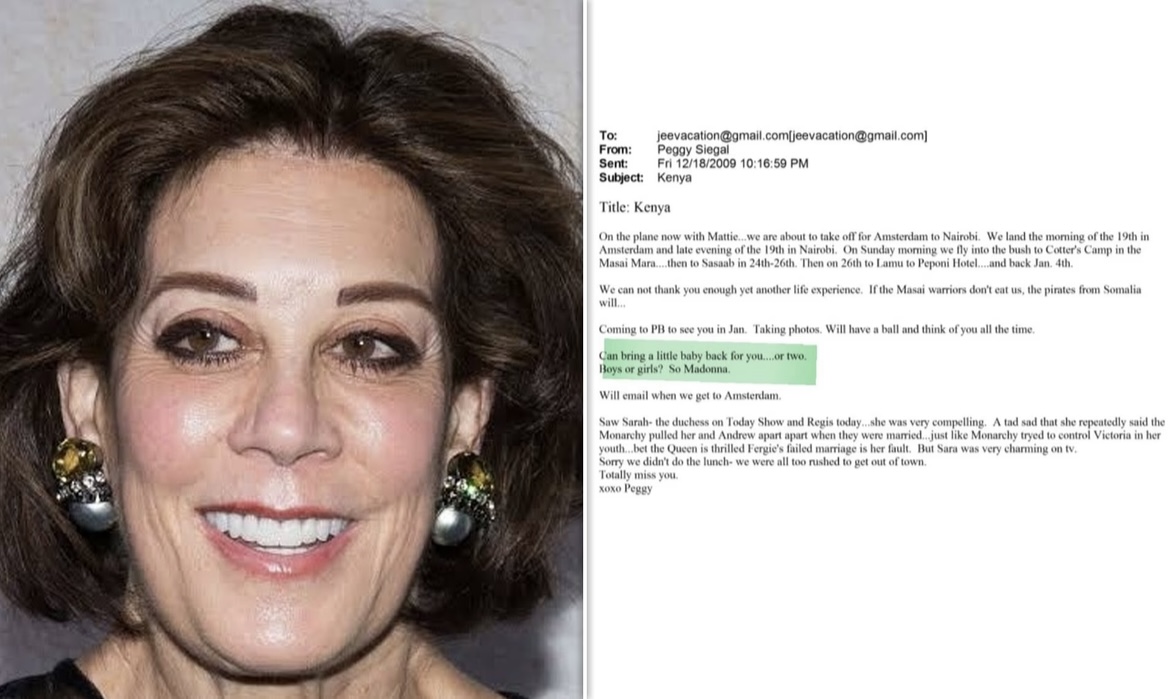
Peggy Siegal wrote to Jeffrey Epstein offering to bring him back a baby or two from Kenya
The camp sits on Maasai lands historically alienated for tourism, where locals are often reduced to performative roles for wealthy visitors like Epstein.
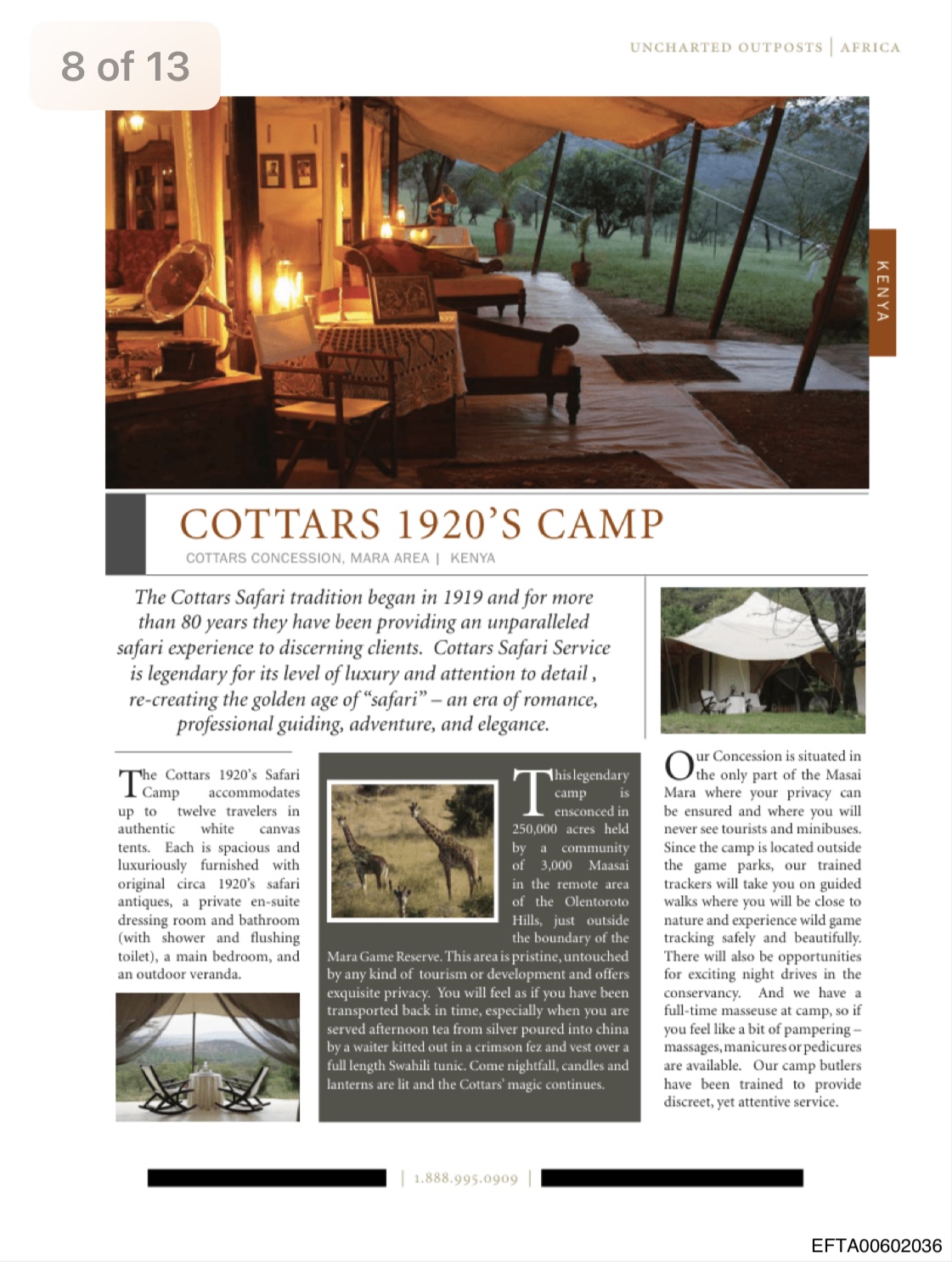
Cottar’s (1920) Camp – Maasai Mara
Ol Donyo Wuas (Chyulu Hills): Perched in the shadow of Mount Kilimanjaro, this lodge on a 275,000-acre ranch (another product of colonial dispossession from Kamba and Maasai peoples) provided panoramic views and seclusion.
Epstein’s group reveled here in horseback rides and helicopter tours – amenities built on stolen heritage.
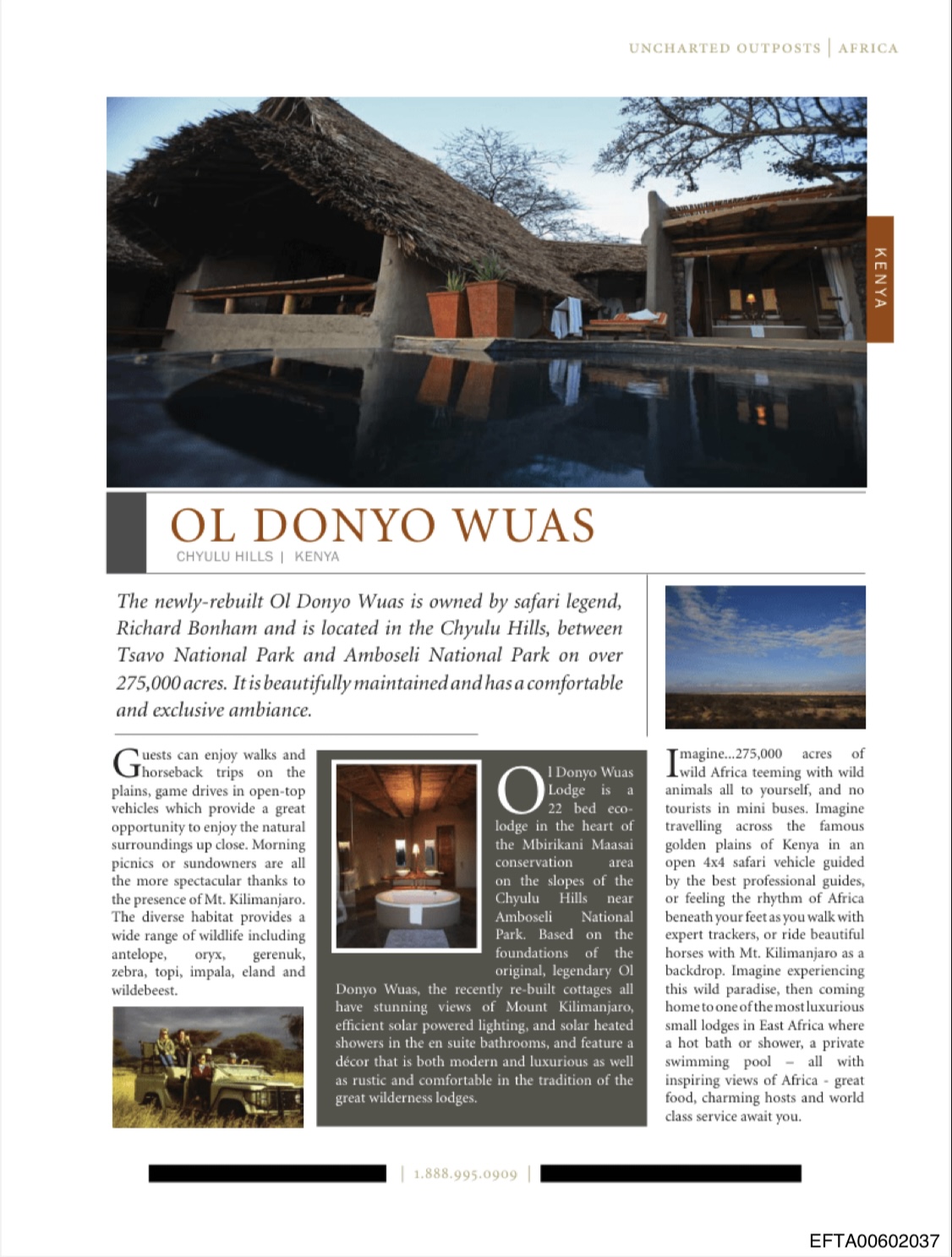
Ol Donyo Wuas – Chyulu Hills Amboseli
Ngong House (Nairobi outskirts): Wrapping up the safari, this treehouse-style boutique hotel, inspired by colonial architecture, offered a final dose of exclusivity before departure.
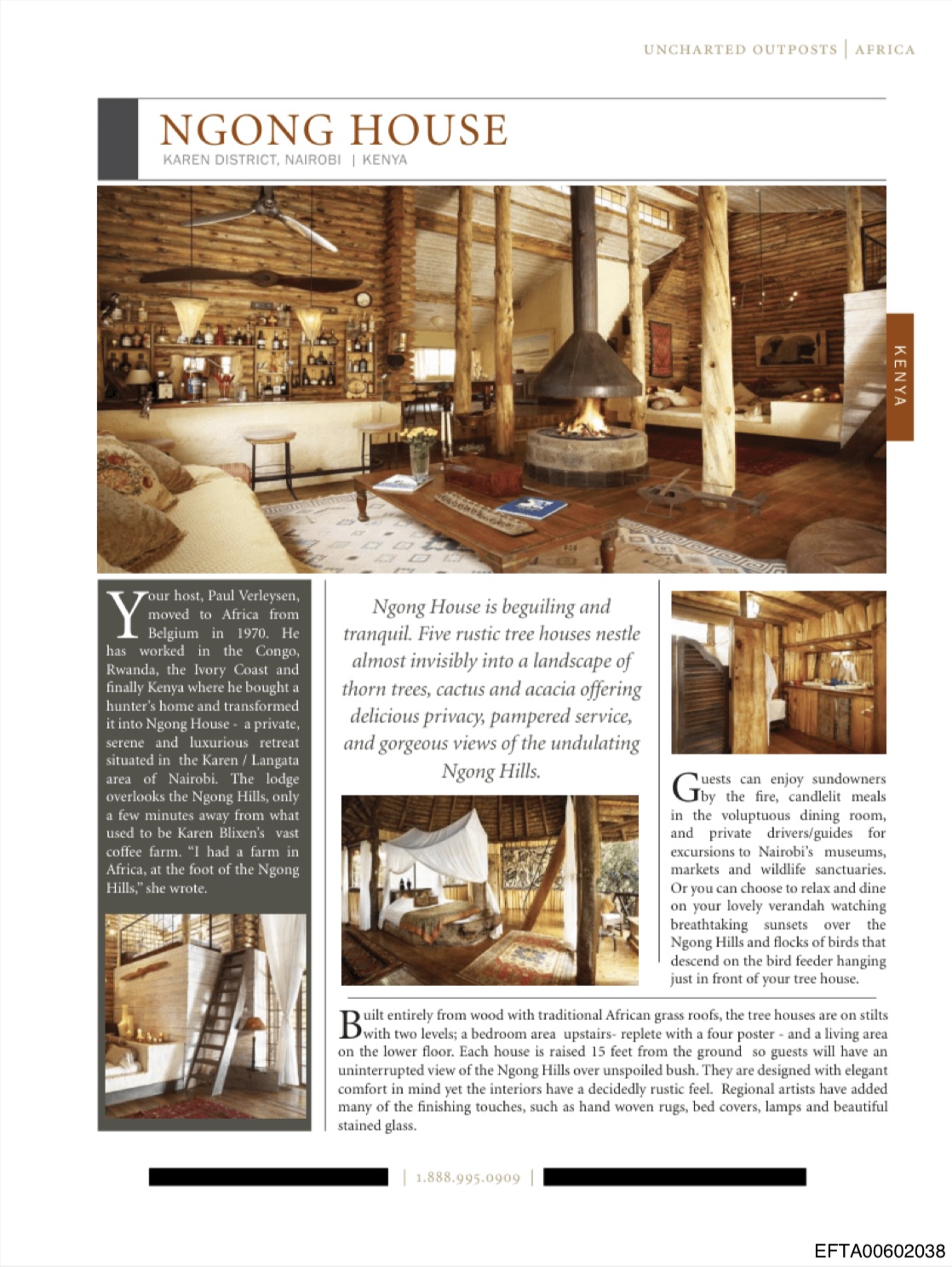
Ngong House
The DoJ document, part of ongoing releases from Epstein’s seized devices and correspondence, includes emails and planning notes confirming the trip’s execution.
Epstein traveled with “unknown individuals” – a phrase that echoes the redactions in his flight logs, often masking companions in his predatory orbit.
At $13,000 each, this wasn’t a solo jaunt; it was a curated group experience, potentially including enablers or recruits from his vast network.
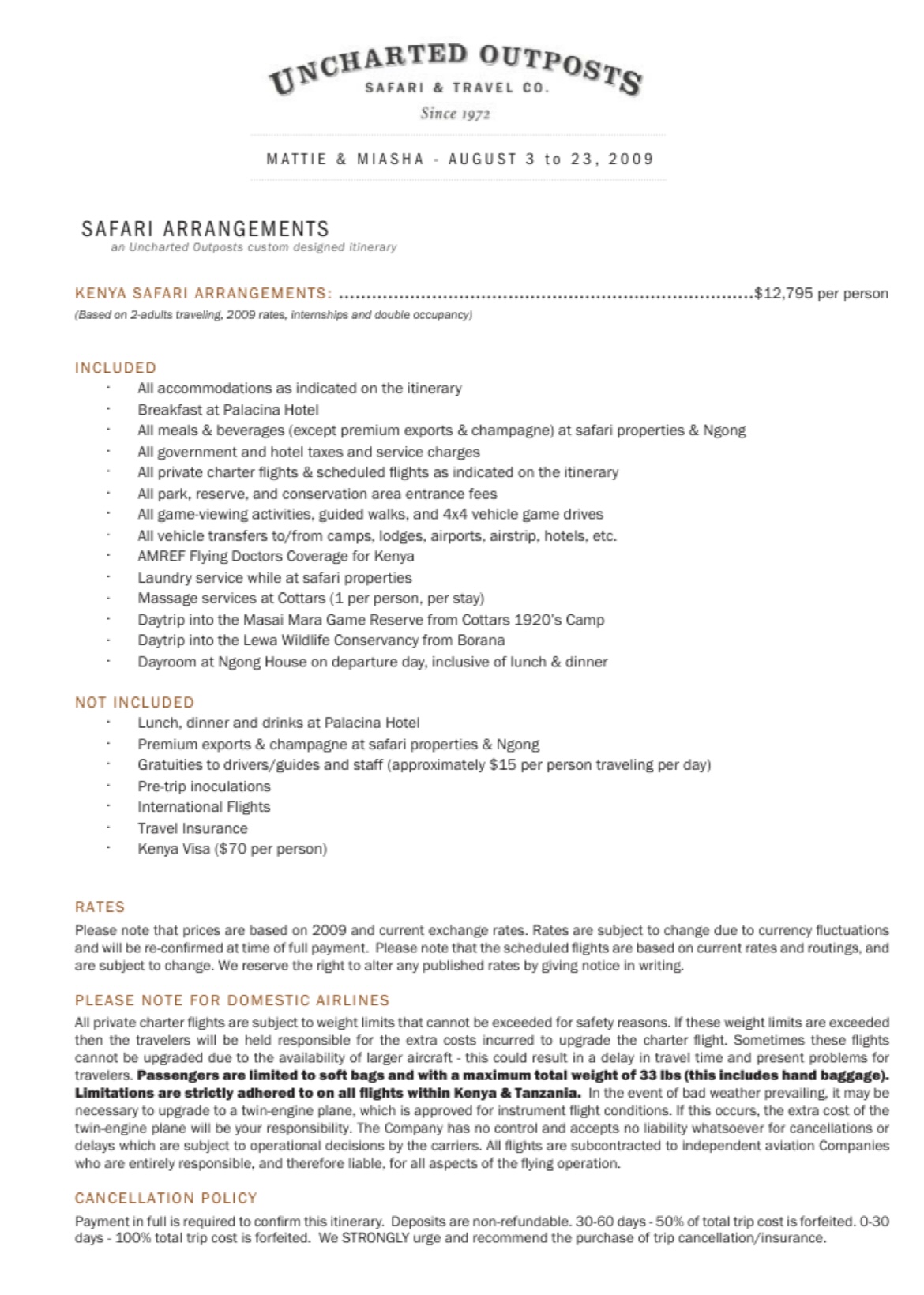
Jeffrey Epstein Itinerary – Kenya
Colonial Ties and Complicit Hosts: A Legacy of Exploitation
Epstein’s choice of venues wasn’t accidental. Kenya’s safari industry thrives on properties rooted in Britain’s “White Highlands” era – millions of acres expropriated from Africans in the 1900s to create settler farms and reserves.
Today, lodges like Borana, Ol Malo, and Cottar’s perpetuate this by prioritizing foreign tourists over local restitution, with revenues flowing to overseas owners or elite Kenyans. Indigenous groups continue to fight for land rights, amid evictions and restricted access to ancestral grazing areas – all while predators like Epstein lounged in luxury tents.
Worse, these establishments knew Epstein’s history. His 2008 conviction was international news; by 2009, his reputation as a pedophile was inescapable.
Yet, hosts like the Francombes, Gallmann, Lemarti, Trzebinski, and Cottars welcomed him – perhaps blinded by his wealth or entangled in mutual networks (Gallmann’s black book entry suggests prior familiarity).
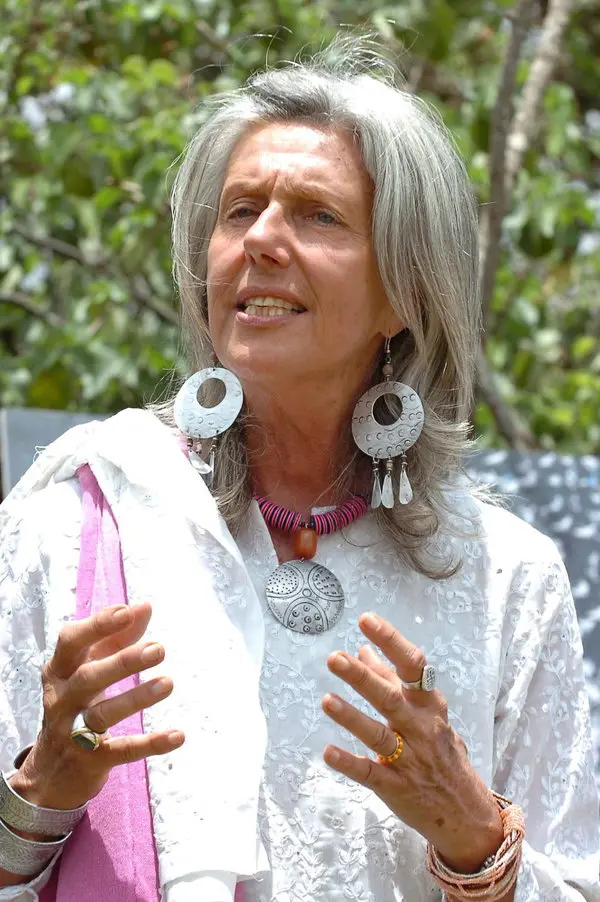
Conservationist by day and child sex trafficker host by night – Kuki Gallman
This complicity mirrors broader patterns in the Epstein files: elites shielding each other, from Scandinavian royals to Emirati tycoons, all while exploiting the Global South.
Implications for Kenya’s Elite Networks
This confirmed 2009 trip adds fuel to ongoing scrutiny of Epstein’s African ties, including his black book’s Kenyan entries (Muthaiga Club, Gallmann) and later emails plotting safaris with “boys or girls?” queries.
It dovetails with accusations against Kenyan leaders like Uhuru Kenyatta (whose 2013 inauguration drew Epstein associates) and William Ruto, whose regimes have faced claims of abductions, blogger assassinations, and resource looting endorsed by the British colonial establishment – echoing the manufactured insecurity Epstein’s enablers exploited.
As more DoJ files drop, this safari stands as a stark reminder: Epstein’s depravity didn’t end in prison; it went global, propped by colonial relics and willing hosts.
Kenya’s people, dispossessed and silenced, deserve accountability – not just from the pedophile’s grave, but from the living who enabled him. The $13,000 price tag? Blood money on stolen land.